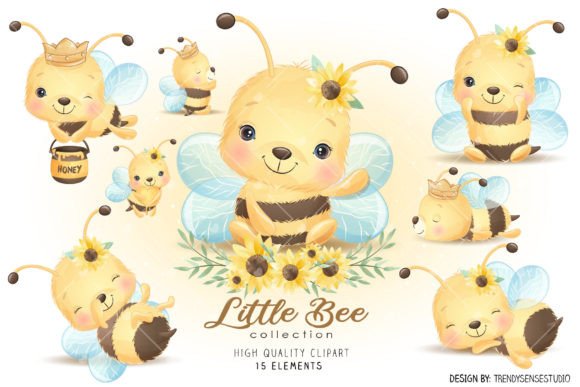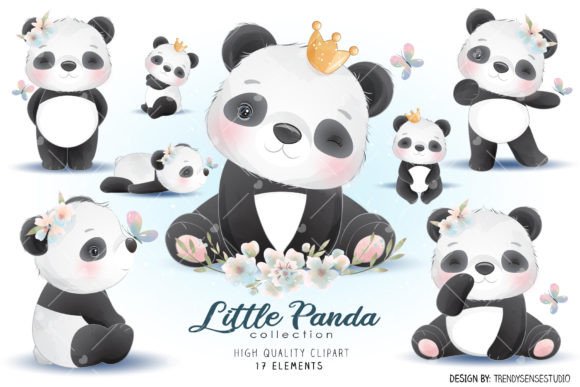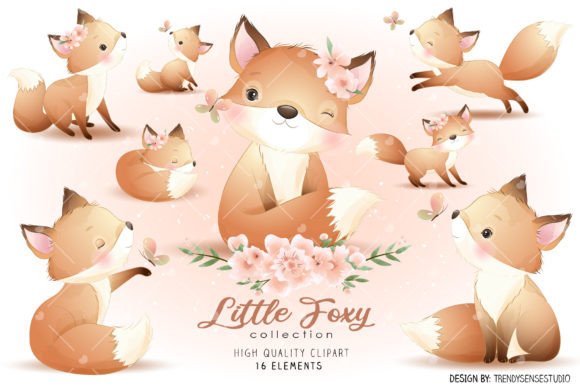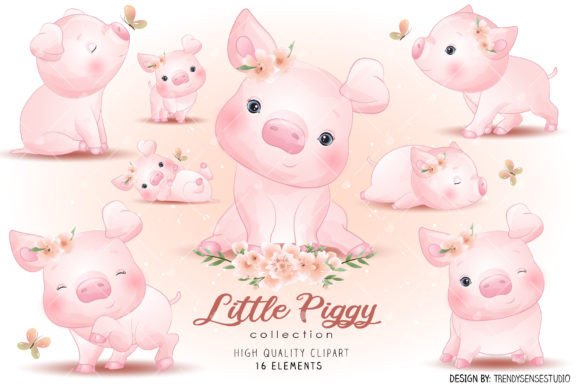
Little Sloth Collection Clipart: Your Go-To Watercolor Design Asset
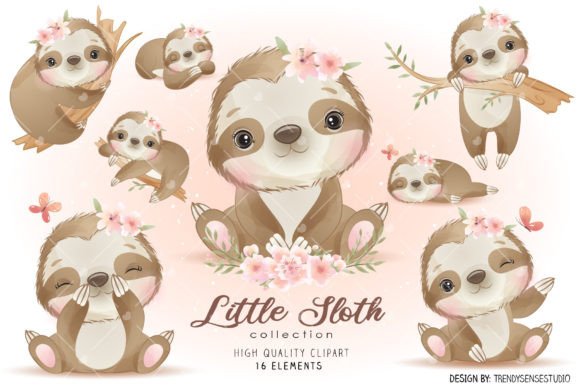
There’s a certain warmth that only watercolor can bring to a design. It’s organic, slightly unpredictable, and full of character. When you find a digital asset that captures that hand-painted feel with professional precision, it changes how you approach projects. The Little Sloth Collection Clipart from TrendySenseStudio is exactly that kind of resource. It’s not just a set of sloths; it’s a carefully crafted toolkit built around a consistent, high-quality watercolor aesthetic that feels both playful and polished.
The Charm of Hand-Painted Consistency
What sets this collection apart is its balance. Each of the 16 sloth illustrations maintains a unified visual language—the same soft color palette, similar brushstroke textures, and a cohesive level of detail. This consistency is crucial for any designer or business owner. You’re not getting a random assortment of clipart; you’re getting a mini design system. The sloths themselves have personality. They’re not overly cartoonish, nor are they hyper-realistic. They sit in a sweet spot that appeals to adults, making them perfect for brands that want to convey friendliness, mindfulness, or a touch of whimsy without seeming juvenile.
The visual style is inherently soft and approachable. The watercolor washes create gentle gradients and subtle texture variations that add depth and interest. This isn’t flat, vector-only art. The high-resolution PNG and JPEG files (at 300 DPI and a generous 13x13 inches) ensure the textures look authentic in print, whether on a business card or a poster. The inclusion of fully editable EPS and AI files is a professional’s dream. It means you can adjust colors to match your brand palette, isolate elements, or combine them with other vector graphics seamlessly. This level of customization transforms the set from simple clipart into a versatile component of your brand identity.
Practical Applications: Where This Clipart Truly Shines
Let’s talk real-world use. For a small business owner or entrepreneur, this collection is a powerhouse. Imagine using these sloths in your packaging design—on a box, a thank-you card, or a sticker seal. The watercolor texture immediately elevates the unboxing experience, making it feel personal and crafted. For social media graphics, these illustrations can break up the monotony of stock photos. A sloth hanging from a branch can cleverly frame a promotional text or symbolize a “slow down and enjoy” brand message.
In editorial design and publishing, the applications are just as strong. A blogger or publisher could use these as chapter heading illustrations, section dividers in a magazine, or charming accents in a children’s book that’s designed to appeal to adults (think adult coloring books or lifestyle journals). The sloths’ calm demeanor makes them ideal for wellness brands, mindfulness apps, or eco-friendly companies looking to build a brand identity that feels grounded and authentic.
The practical guidance for choosing this asset comes down to project evaluation. Ask yourself: Does my project benefit from a soft, organic, and friendly visual tone? If you’re designing for a tech startup that wants to appear cutting-edge and minimalist, this might not be the primary font or graphic set. But for a bakery, a yoga studio, a children’s educational platform, a craft supply shop, or a personal blog, the Little Sloth Collection Clipart can become a signature element. Its strength lies in its ability to create immediate emotional resonance and visual recognition.
Integrating the Assets into Your Design Workflow
Once you’ve decided the style fits, the work of integration begins. The key is to use these graphics to support your message, not overwhelm it. They work beautifully as accent pieces. In a logo design for a related business, a single, well-placed sloth could be iconic. On a website, a sloth illustration could be part of a loading animation, a favicon, or a decorative element in the footer. For apparel design or T-shirts, the high-resolution files are ready for sublimation printing, ensuring the watercolor details pop on fabric.
A critical consideration is font pairing. The sloths have a soft, rounded, and slightly playful character. Pairing them with a sharp, geometric sans serif font can create an appealing contrast that keeps the design feeling modern and professional. Alternatively, combining them with a gentle script font or a friendly handwritten font can enhance the whimsical, personal feel. Avoid overly ornate or heavy serif fonts, which might clash with the lightness of the watercolor art. The goal is to create a visual hierarchy where the text is clear and the sloth illustration adds personality without causing clutter.
From a commercial standpoint, the licensing is straightforward for most creators. You’re purchasing the art to use in your projects, and the files won’t have watermarks. This clarity is essential for anyone using the assets in client work or for products they intend to sell. Always double-check the specific license terms on the shop page, but the provision for commercial use in the description is a strong positive.
Ultimately, the Little Sloth Collection Clipart is more than just cute animals. It’s a set of design assets that can help define a brand’s voice, add warmth to marketing materials, and create a cohesive visual story across multiple platforms. By understanding its strengths—its consistent watercolor style, its emotional appeal, and its file versatility—you can leverage it to build more engaging, recognizable, and heartfelt designs. It’s a practical tool for the modern creative professional who values both aesthetics and functionality.