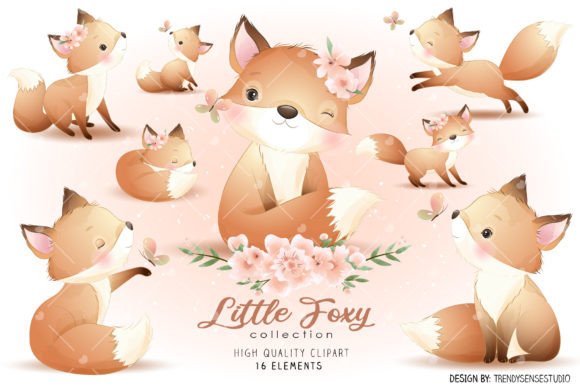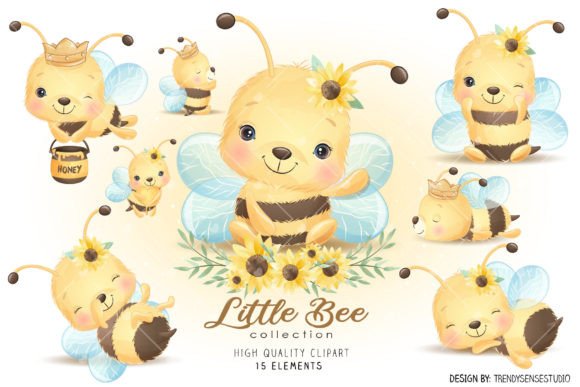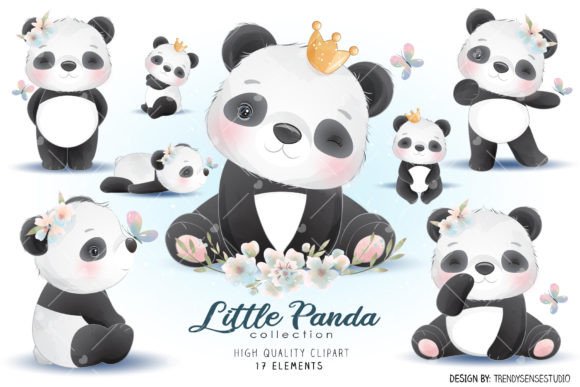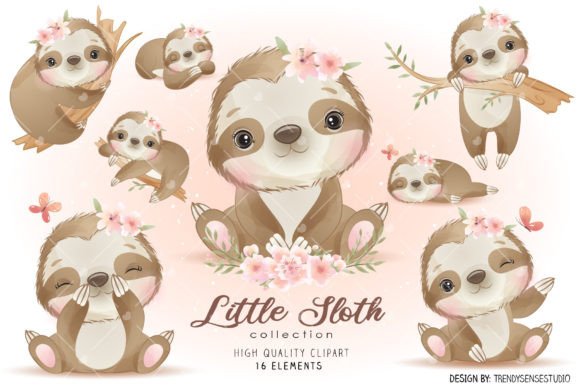
Little Piggy Collection Clipart: Charming Watercolor Assets
Understanding the Aesthetic and Appeal
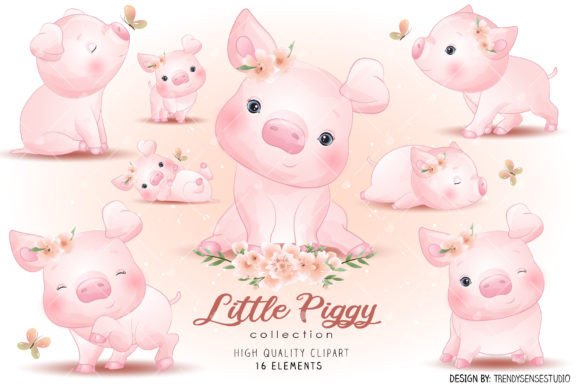
When you are building a brand or designing a product, the difference between "homemade" and "handcrafted" often comes down to the quality of your design assets. The Little Piggy Collection Clipart falls firmly into the professional, handcrafted category. This isn't just a set of generic graphics; it is a curated suite of high-quality watercolor illustrations. The visual personality of these assets is defined by soft, fluid washes of color, mimicking the organic texture of traditional wet-on-wet painting. Unlike flat vector graphics, these images carry a tactile feel—they look like they were painted on paper and then digitized with care.
The style is versatile enough to bridge the gap between whimsical and sophisticated. Whether you are aiming for a playful aesthetic for a children's brand or a rustic, artisanal vibe for a farm-to-table business, the watercolor texture provides instant warmth. It avoids the cold, sterile look that often plagues digital design. By utilizing a premium font or graphic set like this, you are essentially injecting a human element into your digital presence. This collection is designed to evoke a specific emotional response: nostalgia, comfort, and approachability.
Practical Applications Across Industries
One of the most significant advantages of the Little Piggy Collection Clipart is the sheer breadth of its utility. Because the set includes high-resolution PNGs, JPEGs, and fully editable vector files (EPS and AI), it is engineered for cross-platform consistency. For the entrepreneur or graphic designer, this means you can maintain a cohesive brand identity from your digital storefront to your physical products.
Consider the world of packaging design. If you are selling artisanal soaps, baked goods, or farm produce, watercolor assets are the gold standard. They communicate organic origins and quality ingredients without a single word of copy. You can drop these illustrations onto your labels to create an immediate visual connection with the customer. Similarly, for social media graphics, the texture of the watercolor stands out in a feed dominated by flat design and stock photography. It stops the scroll because it looks like art.
Beyond the digital realm, the high-resolution nature of these files makes them perfect for print design. Think about editorial design for magazines or greeting cards. The 300 DPI resolution ensures that the ink sits crisply on the paper, retaining the delicate brushstrokes of the original watercolor. For those in the print-on-demand industry, this collection is particularly valuable. The assets are compatible with sublimation designs, meaning you can easily apply them to T-shirts, pillows, tote bags, and phone cases. The scalability of the vector files also ensures that whether you need a tiny icon for a business card or a large graphic for a banner, the lines remain sharp and professional.
Integrating Assets into Professional Workflows
Having high-quality assets is one thing; knowing how to integrate them into a professional workflow is another. When working with the Little Piggy Collection Clipart, the goal is to let the watercolor texture breathe. These graphics work best when they aren't crowded. In web design, for example, using these illustrations as section dividers or background accents can soften a layout and guide the user's eye without overwhelming the content.
A common challenge with display font usage and detailed graphics is readability. While this collection focuses on imagery, the principle remains the same. If you are pairing these piggy graphics with text, you need to ensure high contrast and clean typography. A clean sans serif font often pairs beautifully with watercolor elements because the simplicity of the letters allows the complexity of the illustration to shine. Conversely, pairing them with a script font requires careful spacing to avoid a cluttered look. The key is balance; let the clipart be the hero of the visual hierarchy.
From a technical standpoint, the inclusion of fully editable EPS and AI files is a massive time-saver for designers. It allows for color manipulation to match specific brand palettes. If the default pink of the pig doesn't quite match your client's "dusty rose" requirement, you can easily adjust it in Illustrator. This level of customization elevates the asset from a simple "clipart" to a robust design asset that can evolve with the project.
Evaluating Quality and Commercial Viability
When sourcing assets for commercial projects, the licensing and quality control are just as important as the aesthetics. The Little Piggy Collection Clipart comes with files that have had watermarks removed, a standard expectation for purchased art, but it also offers the high-fidelity resolution required for commercial printing. This is crucial for anyone selling products. You cannot sell a T-shirt with a blurry graphic; the 300 DPI requirement is non-negotiable for commercial font and asset usage.
For small business owners, investing in a collection like this is often more cost-effective than commissioning custom illustrations. It provides a library of 16 distinct graphics that can be used to create a variety of marketing materials, from flyers to website headers, ensuring visual consistency across all channels. This consistency is the bedrock of building trust with an audience. When a customer sees the same high-quality style on your Instagram ad as they do on the product they receive, it reinforces the professionalism of your brand.
Ultimately, the value of the Little Piggy Collection Clipart lies in its ability to save time while raising the production value of your work. It solves the problem of needing unique, high-quality visuals that don't look like they were pulled from a free stock site. Whether you are a hobbyist making birthday invitations or a publisher designing a book cover, these assets provide the versatility and quality needed to execute a polished final product. It is a practical tool for anyone serious about their visual output.