Watercolor Materials Clipart: A Designer's Creative Toolkit
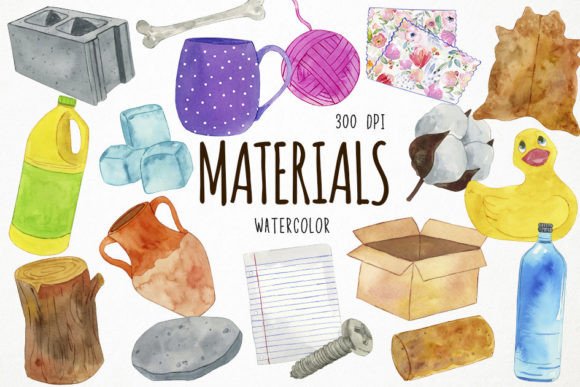
There's a certain magic in watercolor art that digital design often struggles to capture. The soft bleeds, the textured washes, the unpredictable beauty of pigment meeting water—these elements bring warmth and authenticity to any project. This collection of Watercolor Materials Clipart, Vocabulary offers exactly that: 18 hand-painted watercolor elements that feel genuinely crafted, not digitally manufactured. Each piece carries the subtle imperfections and organic flow that make watercolor so appealing, giving designers and creators a versatile toolkit for adding artisanal charm to their work.
Understanding the Visual Character
What sets this particular clipart set apart is its focus on materials—the tools and textures of the creative process itself. You'll find elements that evoke the physicality of art-making: paint strokes, texture swatches, splatters, and washes that feel like they were pulled directly from an artist's studio. The personality here is decidedly organic and tactile. Colors blend softly into one another, edges feather naturally, and there's a sense of movement in every piece.
The visual style sits comfortably between modern and rustic. It doesn't lean so far into vintage territory that it feels dated, but it retains enough handmade quality to feel personal. This balance makes the Watercolor Materials Clipart, Vocabulary collection remarkably adaptable. Whether you're designing for a boutique brand, a wellness blog, or a wedding invitation suite, these elements communicate craftsmanship without overwhelming your layout.
Resolution matters, especially when you're working on print projects. At 300 DPI, these PNG files maintain their quality whether you're scaling them for a business card or incorporating them into a large-format poster. The transparent backgrounds are equally important—they allow seamless layering over photographs, colored backgrounds, or other design elements without awkward white boxes or masking headaches.
Where These Elements Shine
Digital scrapbooking remains one of the most natural homes for watercolor clipart. The textured, layered aesthetic of scrapbooking pairs perfectly with hand-painted elements. But the applications extend far beyond personal memory books. Bloggers and content creators regularly need fresh visual assets for headers, social media posts, and featured images. A watercolor wash behind a quote graphic or a subtle splatter accent in a Pinterest pin can elevate content from generic to memorable.
For entrepreneurs and small business owners, these elements offer an affordable way to develop a distinctive brand identity without commissioning custom artwork. Think about product packaging for artisan goods, menu designs for cafés, or promotional materials for wellness studios. The handmade quality of watercolor clipart communicates care and attention—qualities customers associate with premium products and services.
Card makers and invitation designers will find particular value here. Wedding invitations, baby shower announcements, birthday cards, and thank-you notes all benefit from the soft, celebratory feel of watercolor accents. The elements in this set work beautifully as background textures, border embellishments, or focal design points depending on your layout needs.
Working With Watercolor in Digital Design
One practical consideration when using Watercolor Materials Clipart, Vocabulary is balancing these organic elements with your typography choices. Watercolor textures are inherently busy, so pairing them with clean, readable fonts creates necessary contrast. A bold sans serif font or a simple serif font often works better than an elaborate script font when layered over watercolor backgrounds. That said, a well-chosen handwritten font can complement the artisanal feel beautifully—just ensure the letterforms remain legible at your intended size.
Color coordination deserves attention too. While watercolor elements are forgiving thanks to their natural blending, matching your text colors to the dominant hues in the clipart creates visual cohesion. Pull a color directly from one of the watercolor washes using your design software's eyedropper tool, then use that shade for headlines or accent text. This technique ties the entire composition together and makes the design feel intentional rather than assembled from mismatched parts.
Practical Tips for Integration
- Scale thoughtfully. Enlarging watercolor elements too much can reveal texture details that look pixelated, even at 300 DPI. Test your intended print size before committing to a final layout.
- Layer with purpose. Use watercolor washes as background elements beneath text blocks, or place smaller accent pieces at the edges of your composition to frame your content.
- Adjust opacity. Not every watercolor element needs to sit at full intensity. Reducing opacity to 60-80% can create softer, more subtle effects that don't compete with your primary content.
- Consider your audience. Watercolor aesthetics resonate strongly with certain markets—wellness, beauty, wedding, children's products, artisan food, and lifestyle brands. If your audience expects sleek, corporate visuals, use these elements sparingly as accent pieces rather than dominant design features.
Building Consistency Across Projects
When you're developing a brand identity, consistency matters more than individual design brilliance. Having a cohesive set of watercolor elements means you can maintain a unified look across your website, social media graphics, printed materials, and packaging. The 18 pieces in this collection provide enough variety to keep things interesting while sharing enough stylistic DNA to feel connected.
Think of these clipart pieces as part of your broader design assets library. Just as you'd establish rules for font pairings and color palettes, decide which watercolor elements represent your brand most accurately and use them consistently. Perhaps a particular wash becomes your signature background texture, or a specific splatter style appears in every Instagram story. This repetition builds recognition over time.
Licensing and Commercial Use
Before incorporating any clipart into commercial projects, review the licensing terms carefully. Most premium digital asset sellers outline whether their products cover personal use, commercial use, or both—and whether there are limits on the number of end products or impressions. Understanding these terms protects your business and respects the original artist's work. For projects involving logo design or widely distributed editorial design, confirm that your license permits the specific usage you have in mind.
The Watercolor Materials Clipart, Vocabulary collection represents a practical intersection of artistic quality and digital convenience. For designers juggling multiple projects, entrepreneurs building brands on limited budgets, or hobbyists looking to elevate their personal creations, having access to genuinely hand-painted elements at professional resolution removes a significant barrier. The texture, warmth, and authenticity these pieces bring to a design project are difficult to replicate with filters or digital brushes alone—and that's precisely what makes them valuable.